The 5 Most Commonly Overlooked Areas When Cleaning

When it comes to cleaning, many of us focus on the obvious: floors, countertops, and bathrooms. However, some areas of our homes and spaces often go unnoticed during routine cleanings, quietly collecting dust, grime, and germs. Whether you’re preparing your home for guests, sprucing up a rental property, or simply aiming for a healthier living space, paying attention to these overlooked areas can make a significant difference. Let’s explore the five most commonly missed spots and why they deserve more of your attention.

Baseboards and Molding

Baseboards and molding are some of the most neglected parts of any room. Positioned close to the floor, they collect dust, pet hair, and dirt that often go unnoticed unless you’re looking closely. Over time, this buildup can dull the overall appearance of your space, even if the rest of the room is spotless.

Why it matters: Dirty baseboards can make a clean room feel incomplete and are often a subtle cue to guests about how thorough your cleaning routine is.

How to clean them:

  • Use a microfiber cloth or duster to remove loose debris.
  • Wipe them down with a damp cloth and a mild cleaning solution to remove grime.
  • For stubborn dirt or scuff marks, a magic eraser can work wonders.

Make it a habit to clean baseboards at least once a month to maintain their fresh appearance.

Ceiling Fans and Light Fixtures

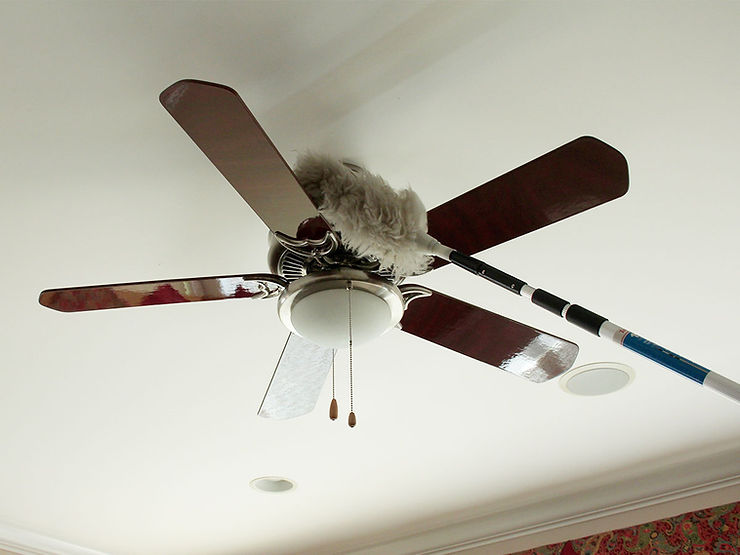
Out of sight, out of mind—until you look up! Ceiling fans and light fixtures accumulate dust and cobwebs surprisingly fast. When left uncleaned, the dust can redistribute into the air every time the fan spins, which isn’t just unsightly but also a potential allergen trigger.

Why it matters: Clean ceiling fans and light fixtures improve air quality and maintain a polished appearance throughout your space.

How to clean them:

  • Turn off the fan and use a long-handled duster to remove loose dust.
  • For a deeper clean, use a damp cloth with a gentle cleaner to wipe down blades and surfaces.
  • Don’t forget recessed lighting or pendant lamps—these often collect dust on the tops and undersides.

Regularly cleaning these fixtures keeps them dust-free and ensures they provide maximum brightness.

Behind and Beneath Appliances

The spaces behind and beneath your refrigerator, stove, washer, and dryer are prime spots for dirt, crumbs, and even pests to accumulate. Since these areas aren’t visible during everyday activities, they often get ignored during routine cleanings.

Why it matters: Neglecting these areas can lead to unpleasant odors, pest infestations, and wear and tear on your appliances.

How to clean them:

  • Move appliances carefully to access the spaces behind and beneath them.
  • Vacuum or sweep up dirt, crumbs, and lint.
  • Use a damp cloth with an all-purpose cleaner to wipe down the floor and walls.
  • Check appliance vents and coils for dust buildup and clean them to improve efficiency.

A deep clean of these areas every three to six months can help maintain a hygienic and safe environment.

Window Tracks and Blinds

While windows and their glass panes often get wiped down, the tracks and blinds are frequently overlooked. Window tracks collect dust, dead insects, and grime, while blinds harbor layers of dust that can be difficult to see at first glance.

Why it matters: Clean window tracks and blinds contribute to better air quality and a more polished appearance. They also help prevent allergens from building up in your space.

How to clean them:

  • For tracks, use a vacuum with a narrow attachment to remove loose debris, then scrub with a toothbrush or small cleaning brush and soapy water.
  • For blinds, wipe each slat with a microfiber cloth or use a vacuum with a brush attachment. For a deeper clean, remove and soak them in warm, soapy water.

Including these areas in your monthly cleaning routine ensures sparkling windows and cleaner air.

Handles, Knobs, and Switch Plates

Door handles, cabinet knobs, and light switch plates are among the most frequently touched surfaces in any space. Yet, they’re often missed during cleaning, leaving them as hotspots for germs and bacteria.

Why it matters: These surfaces are high-touch areas and can easily spread germs, especially in shared spaces like offices or vacation rentals.

How to clean them:

  • Use a disinfectant spray or wipe to clean handles, knobs, and switch plates.
  • Pay extra attention to these areas in bathrooms and kitchens, where bacteria are more likely to accumulate.
  • For a streak-free finish on metal or glass knobs, use a microfiber cloth to polish them after disinfecting.

Making these touchpoints a regular part of your cleaning routine helps maintain a hygienic environment.

Professionals can Help

While it’s easy to focus on the obvious areas when cleaning, paying attention to these overlooked spots can elevate the cleanliness and comfort of your space. Whether you’re deep cleaning a vacation rental or freshening up your own home, addressing these neglected areas shows attention to detail and care.

By incorporating these areas into your regular cleaning schedule, you’ll create a cleaner, healthier, and more inviting environment that leaves no corner untouched. The result? A space that not only looks better but also feels fresher and more welcoming for everyone who enters.

Why It’s Extra Important to Keep Beach Town Airbnb’s Clean

Running an Airbnb in a beach town comes with unique advantages and challenges. Beach destinations attract guests seeking relaxation, sun, and the ocean breeze, which can be a major draw for hosts in these locations. However, the natural elements that make beach towns so appealing can also present obstacles to cleanliness. Keeping a beach town Airbnb spotless is not only essential for creating a positive guest experience, but it’s also vital for maintaining the property’s value, reputation, and guest satisfaction. Here’s why it’s extra important to keep a beach town Airbnb clean and tips on how to do it effectively.

The Challenges of Running a Beach Town Airbnb

Beach environments are inherently different from urban or suburban settings, bringing with them specific cleanliness challenges. From sand and salt to humidity, these factors can affect an Airbnb property more than you might expect:

Sand Everywhere: Sand is perhaps the biggest issue for beach town Airbnbs. Even when guests try to avoid bringing it indoors, it inevitably finds its way into the space. Sand can be challenging to clean out of carpets, upholstery, and tight corners, often requiring extra cleaning measures.

Salt Air and Humidity: The salty air and higher humidity levels in beach towns can lead to rapid buildup of grime on surfaces and corrosion on metal fixtures. Over time, this can degrade furniture, appliances, and decorative pieces.

Odor Issues: The combination of dampness and salt can lead to musty odors, especially if the property is not regularly aired out and cleaned. Lingering odors can make guests feel uncomfortable and even lead to negative reviews.

Increased Foot Traffic: Beach properties often have high turnover rates, especially during peak season. More guests mean more wear and tear, and regular deep cleaning becomes essential to maintain high standards between bookings.

Why Cleanliness is Crucial for Beach Town Airbnbs

Given these unique conditions, keeping a beach town Airbnb clean is essential for both the guest experience and the host’s success. Here’s why:

Guest Expectations Are High

Guests expect their beach getaway to be relaxing and worry-free, and cleanliness plays a huge role in meeting that expectation. A clean, fresh-smelling space allows guests to enjoy their stay without distractions or discomfort. Even a small oversight, like sand in the shower or a musty odor, can disrupt the beach vacation vibe and lead to dissatisfaction.

Health and Safety Concerns

The presence of sand, salt, and humidity can create a breeding ground for mold, mildew, and bacteria if not properly managed. This is especially true in beach town properties, where the higher humidity levels require more frequent cleaning. Regular cleaning helps ensure the health and safety of guests by reducing allergens and preventing mold growth, which can negatively affect air quality and cause respiratory issues.

Maintaining Positive Reviews

Cleanliness is one of the top factors guests consider when rating their Airbnb experience, and it directly influences future bookings. Guests who find an Airbnb spotless upon arrival are more likely to leave positive reviews, which in turn boosts the property’s visibility and attractiveness on the platform. In beach towns, where competition among rentals can be fierce, maintaining a reputation for cleanliness is a significant advantage.

Minimizing Wear and Tear

Beach properties experience heavier wear and tear due to exposure to sand, salt, and increased foot traffic. Regular, thorough cleaning not only removes these elements but also prevents them from causing long-term damage. For example, wiping down metal surfaces and furniture helps prevent corrosion, while regular vacuuming keeps sand from grinding into flooring and carpets, which extends their lifespan.

Reducing the Risk of Odors

Odors are a common problem in beach town rentals, particularly because of the salty air and humidity. When a property isn’t cleaned frequently, dampness and mildew can settle in, creating unpleasant smells that are difficult to eliminate. Regularly washing linens, vacuuming upholstery, and airing out the property can help control odors and keep the space smelling fresh for each new guest.

How to Keep a Beach Town Airbnb Spotless

Keeping a beach town Airbnb consistently clean requires extra attention and a few specialized strategies. Here are some tips to make the process easier:

Invest in Entryway Mats and Shoe Racks

Place heavy-duty mats both inside and outside the entryway to help trap sand before it reaches the interior. You might also provide a shoe rack or bin near the door, encouraging guests to leave their sandy footwear outside. This small step can significantly reduce the amount of sand that ends up inside.

Use Sand-Resistant Furniture and Fabrics

Choosing the right furniture materials can make cleaning much easier. Leather or faux leather seating, for example, is easy to wipe down and won’t trap sand like fabric. Look for tightly-woven or synthetic fabrics for upholstery, which are more resistant to sand and easier to clean.

Schedule Regular Deep Cleanings

In addition to standard cleanings between guests, consider scheduling regular deep cleanings to tackle areas that accumulate grime over time. This could include carpet shampooing, tile scrubbing, and deep-cleaning air conditioning units. Professional deep cleaning ensures that every corner of the property is free from dirt, salt, and mildew.

Provide Beach-Friendly Amenities

Consider offering beach towels, outdoor showers, and rinse-off stations for guests returning from the beach. These amenities encourage guests to clean off before entering, helping reduce sand and water indoors. If possible, provide a covered outdoor area where guests can shake off their towels, swimsuits, and beach gear.

Use Dehumidifiers and Air Purifiers

To combat the dampness and musty odors, place dehumidifiers and air purifiers throughout the property. These devices can help control humidity levels and improve air quality, creating a fresher and more comfortable space for guests.

Opt for Minimalist Décor

Less is more in beach town Airbnbs. Minimalist décor not only makes cleaning easier but also prevents small items from collecting sand, dust, or mildew. Choose functional, stylish pieces that are easy to wipe down or wash, and avoid placing decorative items on surfaces where sand and grime are likely to accumulate.

The Effort is Worth it

Keeping a beach town Airbnb clean requires a bit of extra effort, but it’s well worth it. A spotless space not only enhances the guest experience but also boosts reviews, reduces maintenance costs, and helps ensure the property remains in great shape. By following a few strategic steps, Airbnb hosts in beach locations can keep their properties guest-ready and pristine, leaving a lasting impression on visitors and creating a reputation for quality and care. In a competitive rental market, cleanliness is more than just a necessity—it’s a valuable asset that sets your beach town Airbnb apart from the rest.

Easiest Furniture Material to Keep Clean in a Miami Airbnb

In Miami’s tropical climate, maintaining a clean Airbnb is not only essential for attracting guests but also challenging due to humidity, sand, and frequent beachgoers. Choosing the right furniture material can make a world of difference in keeping your Airbnb spotless and guest-ready. If you’re an Airbnb host in Miami, here’s a guide to the easiest furniture materials to maintain and why they’re perfect for coastal properties.

Why Furniture Material Matters in Miami

Miami’s beach lifestyle brings plenty of sand, salt, and moisture, which can wear down certain materials quickly. Fabric and materials that stain or trap odors easily require more maintenance, which is time-consuming and costly. Guests also expect high standards of cleanliness, especially after a beach day. Durable, easy-to-clean furniture materials can save you time, reduce cleaning costs, and keep your Airbnb looking fresh and welcoming for every guest.

Top Easy-to-Clean Furniture Materials

When selecting furniture for an Airbnb in Miami, opt for materials that are stain-resistant, durable, and easy to wipe down. Here are some of the best options:

Leather and Faux Leather

Leather is a classic, durable choice that’s easy to wipe down, which makes it ideal for high-traffic areas like Airbnb rentals. Here’s why leather is an excellent option for Miami:

Water and Stain Resistant: Genuine leather is naturally resistant to spills, so it won’t absorb water or moisture as easily as fabric. This is particularly helpful when guests return from the beach with damp swimsuits or towels.

Easy Maintenance: Leather and faux leather furniture can be cleaned with a damp cloth, making it easy to remove sand or sunscreen residue.

Durability: Quality leather lasts a long time, and even with regular use, it resists wear and tear better than most fabrics.

For hosts on a budget, faux leather is a great alternative. It’s more affordable than genuine leather, while still offering a smooth surface that’s easy to wipe clean.

Microfiber

Microfiber is another excellent choice for Airbnb hosts who want the comfort of fabric without the maintenance hassle. Known for being stain-resistant and durable, microfiber offers several benefits:

Easy to Clean: Microfiber is designed to repel liquids and can be spot-cleaned easily. Its tight weave prevents dust, sand, and pet hair from settling into the fabric.

Stain Resistance: Microfiber’s synthetic fibers are less likely to stain than natural fabrics, which makes it ideal for spaces where spills are common.

Affordable: Microfiber furniture is often budget-friendly, making it a good option for hosts looking to keep costs low while maintaining a clean look.

Outdoor Wicker and Rattan with Weather-Resistant Cushions

For Miami’s outdoor-friendly vibe, wicker or rattan furniture with removable, weather-resistant cushions is a stylish yet practical option. Here’s why it works well in a Miami Airbnb:

Sand and Salt Resistant: Wicker and rattan are naturally resistant to sand and salt, which is ideal for Miami’s coastal environment. They’re also lightweight, making them easy to rearrange or clean around.

Easy to Clean Cushions: Choose cushions with weather-resistant, removable covers. These covers can be machine-washed after each guest’s stay, keeping them fresh and stain-free.

Durability in Humidity: While traditional wicker might deteriorate over time in humidity, synthetic versions are designed to withstand outdoor conditions, including Miami’s tropical climate.

Glass and Metal

Glass and metal are perfect materials for tables, shelving, and accent pieces. Both are easy to clean and resistant to Miami’s humid conditions, making them low-maintenance options:

Resistant to Moisture: Unlike wood, metal and glass don’t absorb moisture, which prevents warping, mold, and mildew.

Simple Cleaning: Glass tabletops and metal frames can be wiped down with basic cleaning products, making it easy to remove fingerprints, dust, or sand.

Modern Aesthetic: Both materials fit well with Miami’s modern, beach-inspired aesthetic, allowing you to create a sleek, stylish look without sacrificing ease of maintenance.

Synthetic Upholstery

Synthetic upholstery, such as polyester or nylon, is a practical choice for Airbnb hosts who want a stylish yet low-maintenance look. These fabrics mimic the appearance of natural fibers while offering superior stain resistance:

Stain and Water Resistant: Many synthetic fabrics are treated with a stain-resistant finish, making spills easy to clean.

Durable: Synthetic fibers are more resistant to wear and tear than natural fibers, which makes them a great choice for high-traffic spaces.

Low-Cost: Synthetic materials tend to be more affordable, which is helpful when furnishing an Airbnb on a budget.

Veneered or Laminate Wood

Veneered or laminate wood furniture offers the classic look of wood without the maintenance issues that come with it. Here’s why laminate and veneer are ideal for Miami Airbnbs:

Scratch Resistant: Veneered and laminate surfaces are more resistant to scratches and scuffs, which can happen with high guest turnover.

Moisture Resistant: Unlike solid wood, which can warp or swell in humid conditions, laminated wood is designed to resist moisture, making it perfect for Miami’s humid climate.

Easy to Clean: Spills and stains can usually be wiped away with a damp cloth, making laminate and veneer low-maintenance options.

Tips for Maintaining Clean Furniture in Your Miami Airbnb

Even with easy-to-clean furniture, there are steps you can take to keep your Airbnb spotless and guest-ready between bookings:

Regular Cleaning Routine: Establish a cleaning checklist that includes wiping down furniture, vacuuming under cushions, and spot-cleaning any stains. Regular cleaning prevents buildup and keeps your furniture looking fresh.

Protective Covers: Consider using protective covers or throws over sofas and chairs. These can be removed and washed regularly, keeping furniture underneath in pristine condition.

Furniture Placement: Arrange furniture to minimize direct sunlight exposure. Miami’s strong sunlight can cause colors to fade and damage certain materials over time.

Use Beach-Friendly Mats and Rugs: Place rugs or mats near entryways to trap sand before it reaches the furniture. This simple step can prevent sand from getting onto couches and beds.

Plan Ahead

Choosing easy-to-clean furniture for your Miami Airbnb is a smart investment that can save time, reduce costs, and keep your property looking inviting for every guest. From leather and microfiber to synthetic fabrics and laminate wood, the right materials make all the difference in a high-turnover rental. Not only does clean, well-maintained furniture help create a positive guest experience, but it also increases the likelihood of glowing reviews, repeat bookings, and a loyal clientele.

For Airbnb hosts in Miami, where the climate poses unique challenges, selecting furniture that’s both stylish and easy to maintain is key to achieving a consistently clean, welcoming space.